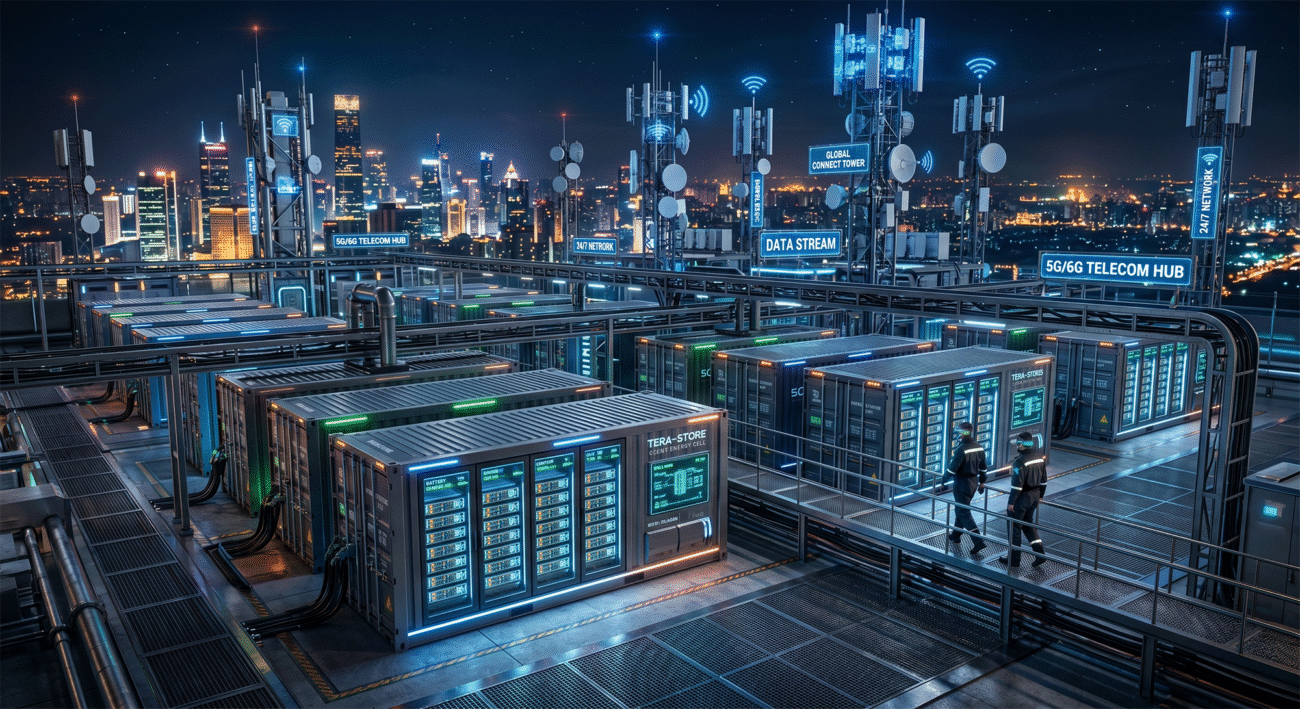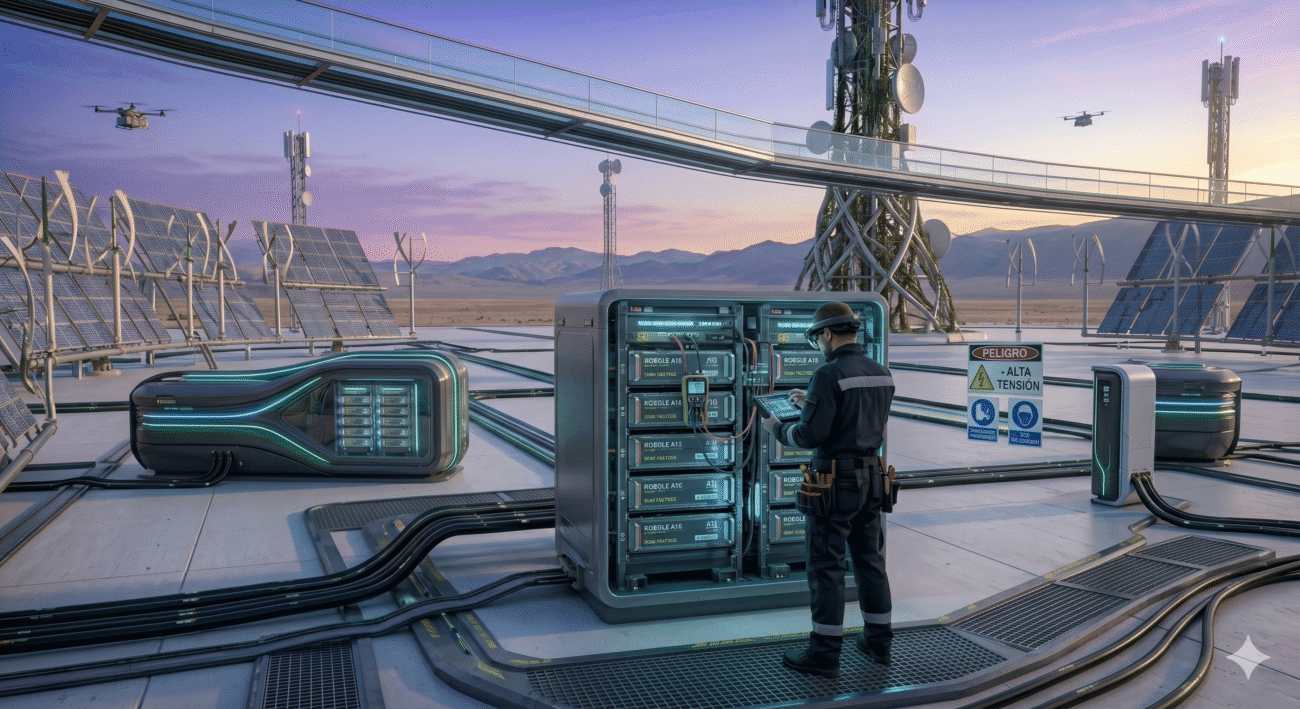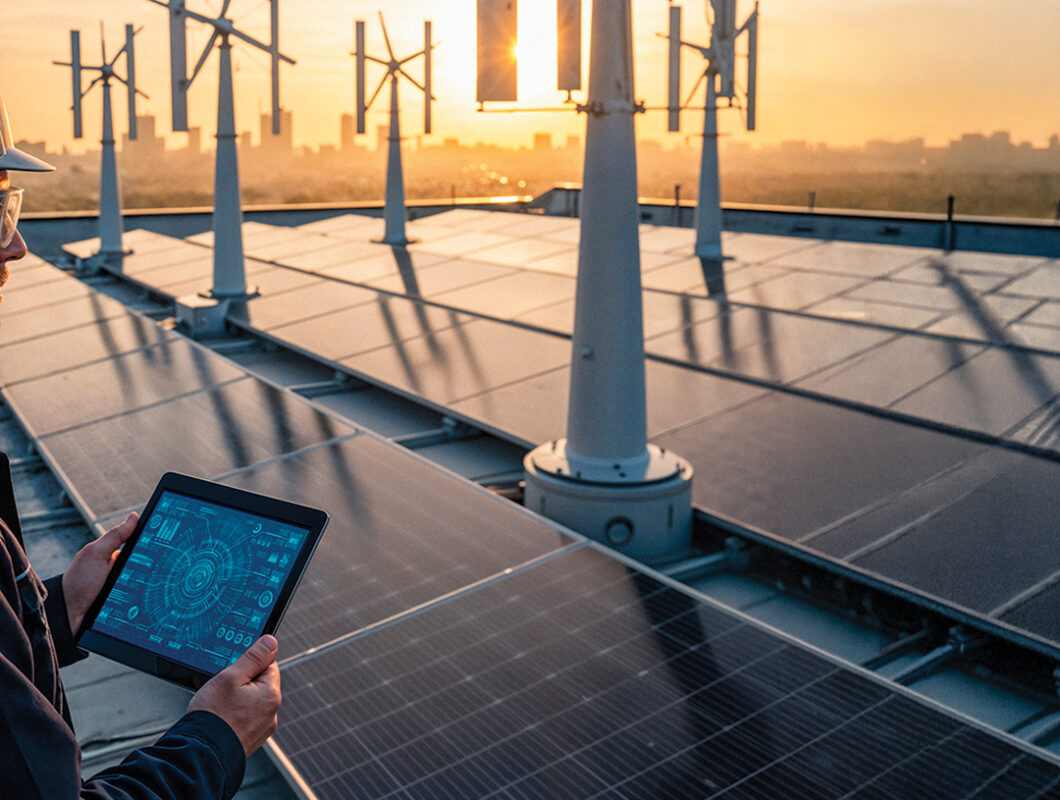
We design and implement projects that cut costs, manage energy demand, and keep operations running without interruption.

What we do:

  • Full energy assessment
  • Identifying energy losses and unnecessary costs
  • Peak demand reduction
  • Utility rate optimization
  • Projects with a clear ROI

SOLUTIONS PORTFOLIO
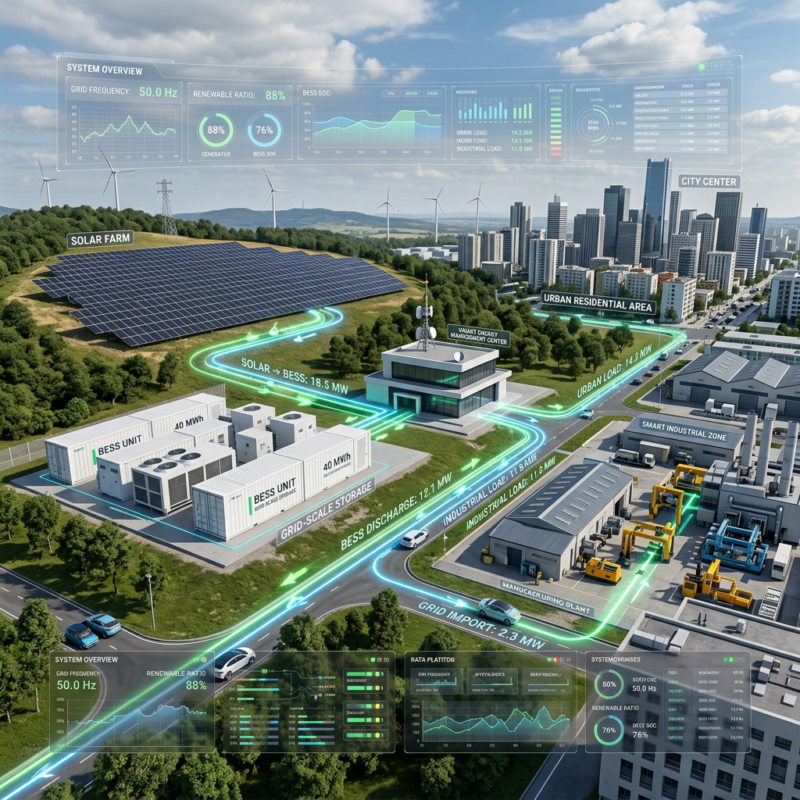
We handle every phase in-house: assessment, design, procurement, installation, commissioning, monitoring, and maintenance — with a single point of technical accountability from start to finish.

On-site generation for self-consumption, reducing grid dependency and locking in long-term cost stability.

  • Lower OPEX
  • Protection against rising utility rates

Systems built for active demand management and operational resilience.

  • Peak shaving
  • Load shifting
  • Critical backup power
  • Time-of-use rate optimization
  • Generator compatibility

Combined generation and storage for maximum energy independence.

  1. Reduced grid reliance
  2. Uninterrupted operations
  3. Lower fossil fuel consumption
  4. Microgrid and smart backup capability
  5. Generator compatibility

Reducing consumption through targeted technical upgrades to existing infrastructure.

  • Energy audits
  • Power quality – Grid Code compliance
  • Electrical loss detection and reduction

Ongoing oversight to keep performance on track.

  • 24/7 remote monitoring
  • Preventive and corrective maintenance
  • Performance reporting
  • Equipment warranties
INDUSTRIES WE SERVE:

Manufacturing

Auto parts

Mining

Logistics centers and distribution hubs

Retail and shopping centers

Hospitals

Hotels

Agribusiness

Critical infrastructure

Solar Panels

Solar Panels

What it is

A photovoltaic (PV) solar panel is a module made of silicon cells encapsulated between tempered glass and protective materials. It converts solar radiation into electricity and is designed to operate reliably for more than 25 years, even under demanding environmental conditions. The term Tier 1 generally refers to panels manufactured by companies recognized by BloombergNEF for their financial stability, production capacity, and proven track record.

What it’s for

A PV solar panel generates electricity from sunlight to power homes, businesses, and industrial facilities. The electricity produced can be used immediately, exported to the power grid, or stored in an energy storage system for later use. Its main benefit is reducing electricity costs through a renewable, low-maintenance energy source.

Inverters

Inverters

What it is

An inverter is a power electronics device that converts direct current (DC) into alternating current (AC) to supply electrical equipment and installations or interact with the power grid. Modern inverters incorporate control, monitoring, and protection functions to ensure safe and efficient operation. They are available in various configurations and capacities for renewable energy, energy storage, telecommunications, backup power, and industrial applications.

What it’s for

An inverter adapts electrical energy to the requirements of a load or system, enabling the use of DC power sources such as batteries, photovoltaic systems, and battery banks. Depending on the application, it can also manage energy flows, stabilize electrical parameters, and coordinate multiple generation sources and loads. Inverters can operate using grid-following architecture, synchronizing with an existing power grid, or grid-forming architecture, establishing and controlling voltage and frequency references in off-grid systems or microgrids.

Batteries (BESS)

Batteries (BESS)

What it is

A Battery Energy Storage System (BESS) is an integrated solution comprising batteries, a Battery Management System (BMS), power conversion equipment, and safety and control systems. It is designed to store and deliver electricity in a controlled manner. Modern BESS solutions primarily use lithium-ion technology and feature modular configurations for commercial, industrial, and utility-scale applications. When operated and maintained according to the manufacturer’s specifications, they can achieve a service life of more than 20 years.

What it’s for

A BESS stores energy and releases it when needed, improving the flexibility, reliability, and efficiency of electrical systems. Depending on the application, it can support demand management, backup power, energy arbitrage, renewable energy integration, frequency regulation, and microgrid operation. When paired with grid-following or grid-forming inverters, a BESS can operate in both grid-connected and off-grid systems.

Why it matters?

Today’s energy landscape directly affects profitability and operational stability.

  • Rising electricity rates and demand charges
  • Power factor penalties
  • Grid instability
  • Production downtime due to supply failures
  • ESG requirements and sustainability targets
  • Over-reliance on an unreliable public grid


Energy management becomes an asset — not a cost — when it’s properly measured, modeled, and optimized.
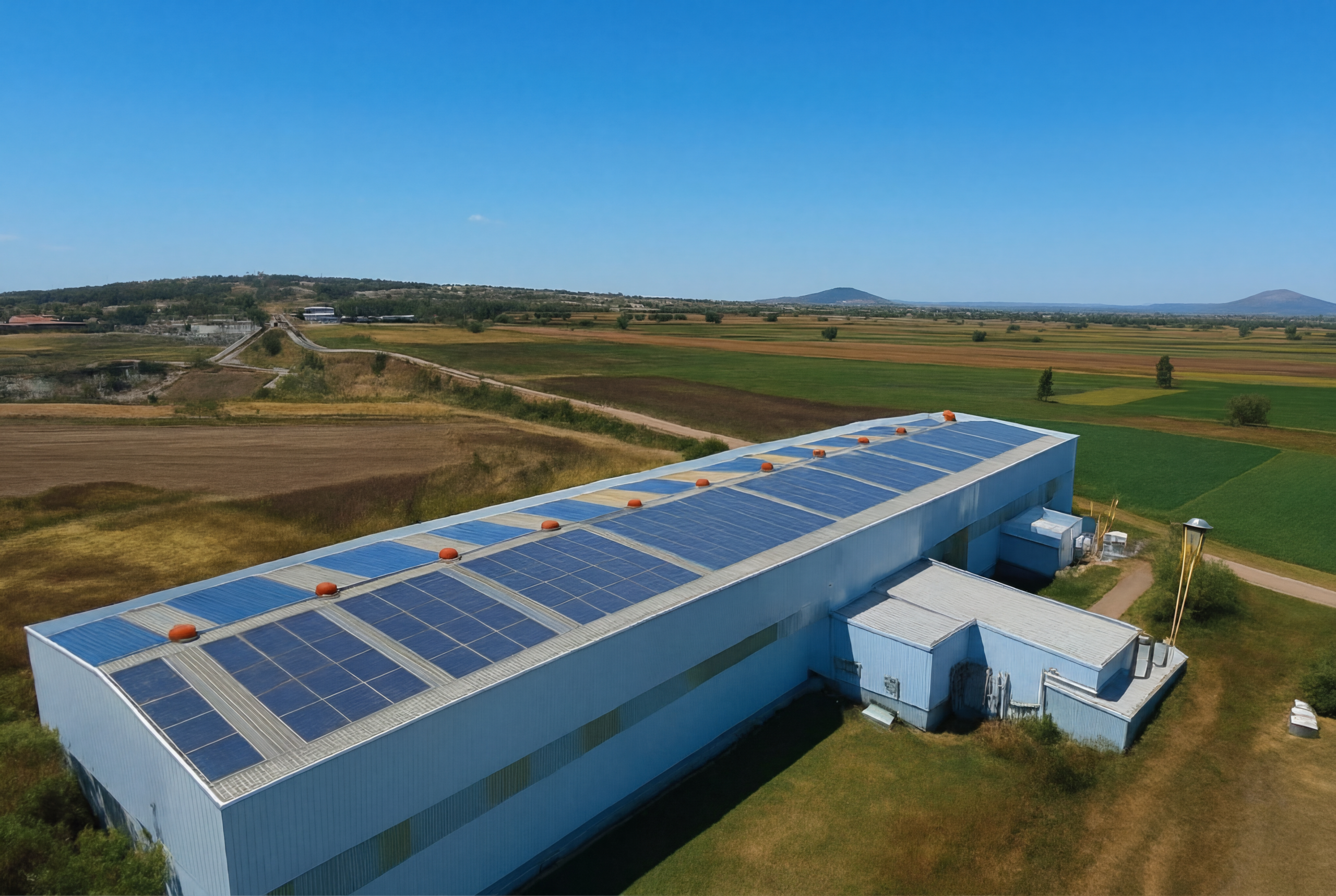
OVER 250 MW DEPLOYED

PREVENTIVE AND CORRECTIVE MAINTENANCE
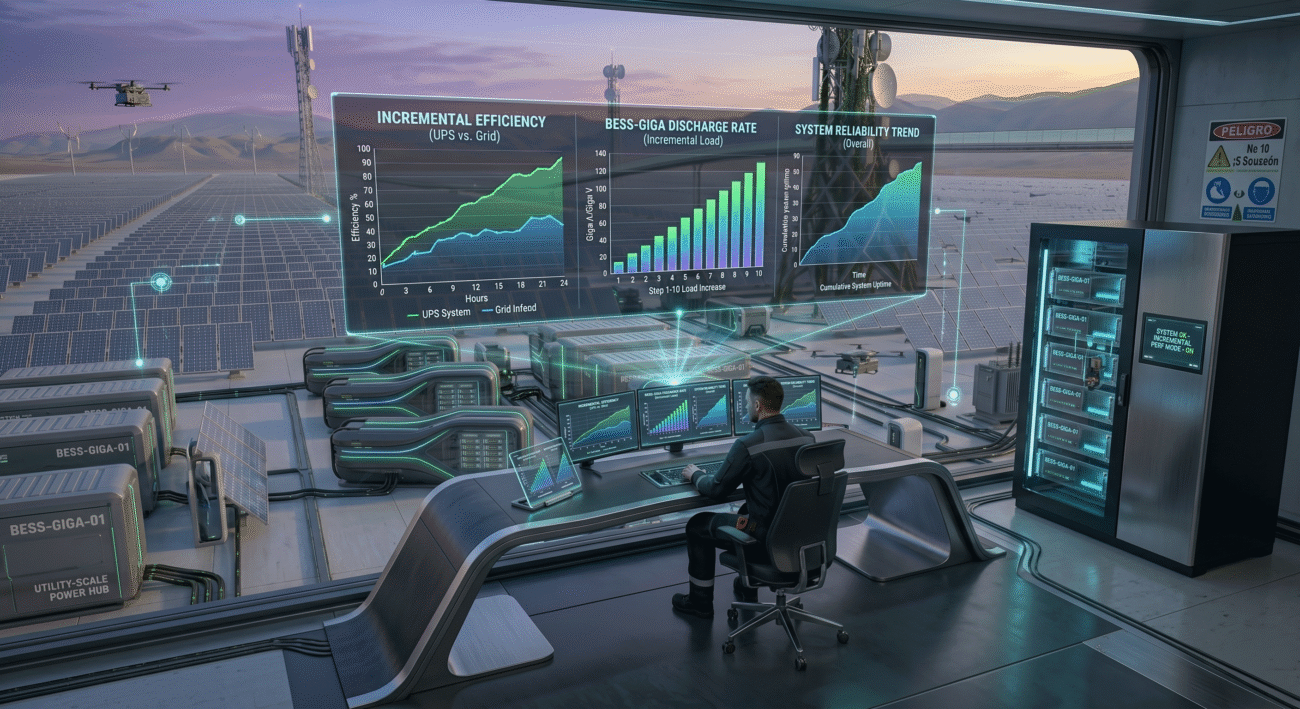
PERFORMANCE REPORTING
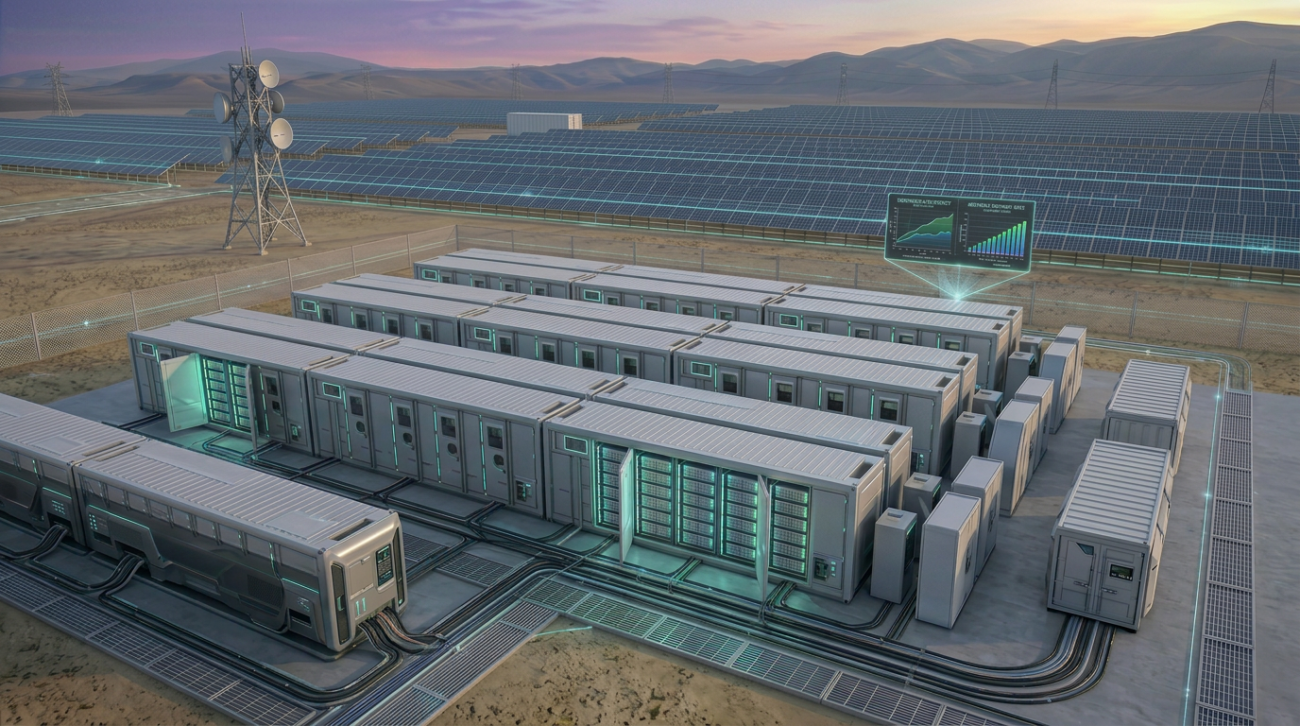
EQUIPMENT WARRANTIES

Get in Touch

Reach out to our engineering team to develop a new solution, adapt an existing one, or go over technical specs.

We’re with you from the first conversation through final validation and go-live.